
The University of Vaasa has published research on the influence mechanisms of online shops. Researcher Hanna Leipämaa-Leskinen emphasises that the phenomenon is broader than simple scams where products are not delivered. It is increasingly about subtly steering the consumer, where the online shop's interface is designed to influence decisions.
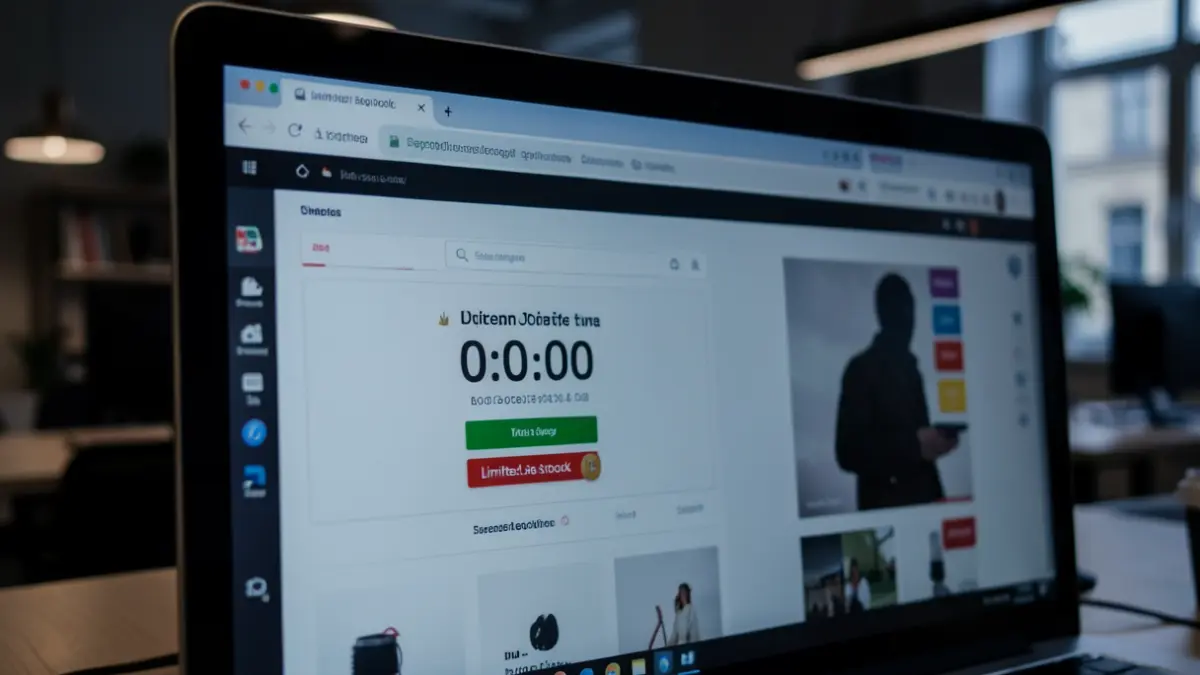
The term dark patterns in research refers to interface solutions that steer the consumer to accept additional services or make purchase decisions without noticing. Examples include highlighting limited availability, continuous countdowns, and automatically selected add-ons. These elements reduce deliberation and create a sense of urgency, which is one of the most effective ways to influence decision-making.
According to Leipämaa-Leskinen, digital platforms such as search engines and social media act as significant gatekeepers. Algorithms can increase the visibility of unreliable actors, leading consumers to believe that the visible online shop is trustworthy. The proliferation of artificial intelligence (AI) brings new challenges: AI can produce convincing product images, customer reviews, and marketing content that make an unreliable shop appear genuine.
Research data does not support the idea of a single clear risk group. Anyone can be misled, especially when a consumer feels they have found an exceptionally good deal or need a product quickly. Consequences can extend beyond financial losses, as personal and payment details may be handed over to scammers. The experience can weaken trust in online shopping more broadly.
The research is part of the MISLEAD project, which investigates how misleading commercial content spreads in digital environments. Leipämaa-Leskinen emphasises that the importance of consumer media literacy and understanding of digital environments is becoming increasingly critical as technology develops.